Images?q=tbn:ANd9GcRMvE3k JPdSryFg7hjfK GbAhAkBUkYuagbNvybOlpbzcMy7Rykw8T5diQ&s=10

What Is Online Accounting and How Does It Work?

Online accounting is the management of a business's bookkeeping, reporting, and tax obligations through cloud-based software and remote financial professionals rather than in-person, paper-based processes.

Transactions from your bank, invoicing platform, and point-of-sale system sync automatically into a cloud accounting platform, where a remote bookkeeper or accountant reconciles them, categorizes expenses, and keeps your financial statements current on an ongoing basis rather than in a once-a-year year-end push.

Because everything lives in the cloud, a business owner can check real-time cash flow, outstanding invoices, or profit margins from a phone at any point. The accountant can review, flag issues, or prepare filings without ever needing physical access to a filing cabinet or an in-person handoff of receipts.

This shift from static, backward-looking records to a live financial picture is what separates modern online accounting from traditional bookkeeping done manually and reviewed only periodically.


The Core Components of an Online Accounting Service

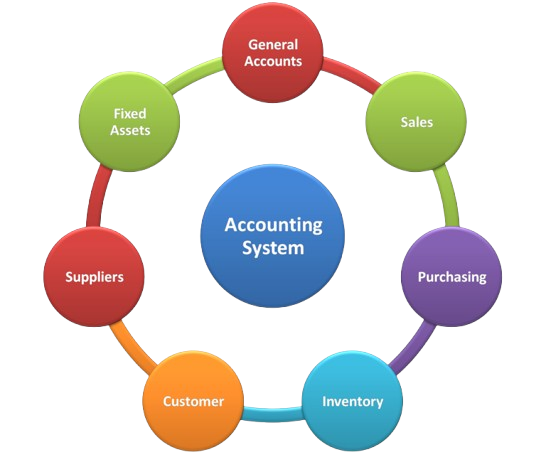
A cloud bookkeeping setup connects a business's bank feeds, payment processors, and invoicing tools into a single reconciled ledger. This integration step comes first, since every other service—tax filing, payroll, and reporting—depends on the books underneath it being accurate and current.

Service Component Function What "Well-Run" Looks Like
Cloud Bookkeeping Reconciles transactions across all connected accounts Weekly/daily reconciliation, near-zero uncategorized transactions
Financial Reporting Delivers P&L, balance sheet, and cash flow visibility Real-time dashboard access, monthly review calls
Tax Prep & Filing Ensures compliance with jurisdiction-specific obligations Filings submitted ahead of deadlines, proactive planning
Payroll Processing Manages employee/contractor payments and withholdings Automated, accurate, on-schedule payroll runs
Accounts Payable/Receivable Tracks money owed and money due Clear aging reports, minimal overdue invoices
Data Security Protects sensitive financial data Encrypted storage, role-based user permissions

Online Accounting Faqs

Bookkeeping involves recording and organizing daily financial transactions. It helps businesses maintain accurate financial records and make informed decisions.

Yes, we create, manage, and track invoices to ensure timely payments and improved cash flow management.

Yes, we provide complete payroll management services, including salary calculations, employee payments, and payroll reporting.

Bank reconciliation is the process of matching your business records with bank statements to identify discrepancies and maintain financial accuracy.

Yes, our online accounting solutions are designed for startups, small businesses, and growing enterprises across various industries.

Our Partners

team4

Salt

We provided online accounting services for Salt, including invoicing, bookkeeping, and payroll management, helping streamline financial operations and improve business efficiency.

Berad Papas

We provided online accounting services for Bread Papas, including bookkeeping and payroll management, helping streamline financial operations and improve business efficiency.

team5
team2 removebg preview

Idof Fresh mediterranean

We provided online accounting services for Idof Fresh Mediterranean, including invoicing, bookkeeping, and payroll management, helping streamline financial operations and improve business efficiency.

Ace Hardware

We provided bank reconciliation services for Ace Hardware, helping maintain accurate financial records and improve financial management efficiency.

team7
nexaroma

Nexarome

We provided bookkeeping services for Nexarome, helping maintain accurate financial records and improve overall financial management efficiency.

Online Accounting

Is Online Accounting as Accurate and Secure as Traditional In-Person Bookkeeping?

Yes, reputable online accounting platforms use bank-level encryption and automated reconciliation that typically reduces human error compared to manual paper-based bookkeeping. Cloud platforms cross-check transactions against actual bank feeds in real time, which catches duplicate entries, missed transactions, and categorization mistakes far faster than a once-a-month manual review of paper receipts ever could. Businesses switching to online accounting see the biggest accuracy improvements when they were previously reconciling quarterly or annually, as errors had months to compound. A continuous cloud-based system simply doesn't leave room for small mistakes to snowball unnoticed.

Why Real-Time Financial Reporting Changes How Businesses Make Decisions

A business owner reviews a live cash flow dashboard before committing to a new hire or a large inventory purchase, because a decision based on current numbers carries far less risk than one based on a financial snapshot that's already several weeks stale. This immediacy is the core value shift online accounting delivers—not just faster bookkeeping, but faster and better-informed decision-making. Owners no longer have to wait for a quarterly close to understand whether they can actually afford the moves they are considering.

How Often Should a Small Business Reconcile Its Books?

Small businesses should reconcile their books at least monthly, though weekly reconciliation is strongly preferable for businesses with high transaction volume. Monthly reconciliation is the minimum threshold to catch errors, fraud, or cash flow problems before they compound into a larger issue at tax time. Meanwhile, businesses in retail, e-commerce, or hospitality benefit from weekly or daily reconciliation because the high volume makes monthly catch-up reviews slow and error-prone. Online platforms make this frequency practical, as automated bank feeds do most of the matching work before a bookkeeper even reviews the ledger.

Online Accounting Needs Differ by Business Type

👤

Freelancer / Solopreneur

Needs online accounting primarily for clean expense tracking and simplified tax filing. Since financial complexity is low, the focus is on accurate categorization of deductible business expenses to streamline year-end tax obligations.

🚀

Growing Small Business

Requires cloud infrastructure plus payroll processing and detailed financial reporting. Payroll compliance and cash flow forecasting become materially more complex, making real-time financial data essential once headcount grows.

🌍

Multi-Entity / Multi-Location

Needs consolidated reporting across entities alongside advanced tax planning. Strategic decisions at this scale depend on viewing combined financial performance rather than looking at individual books in isolation.

Online Bookkeeping vs. In-House Accountant

Is It Cheaper to Outsource Accounting Online Than Hire In-House?

Outsourced Online Accounting

Pay for a service tier tailored to your volume. Eliminates overhead for software licenses, benefits, and payroll taxes associated with full-time employees.

Full-Time In-House Hire

Requires a full salary, benefits package, equipment, and training. Best suited for high-volume enterprises requiring constant, on-site financial management.

The Verdict: Outsourced online accounting is typically significantly less expensive, since you're paying for a service tier rather than a full salary and overhead. An in-house hire makes sense only when daily, hands-on oversight justifies a dedicated role. For most small to mid-sized businesses, an online service delivers the same compliance and reporting work at a fraction of the cost, scaling automatically as your business grows.

What to Look for in an Online Accounting Provider

Platform Expertise

Confirm they work fluently in the cloud accounting software you use or plan to use. You need a partner who knows the platform inside out.

Reconciliation Frequency

Clarify how often your books are actually reviewed. Avoid providers that only do the work at year-end; look for monthly or weekly check-ins.

Tax Jurisdiction Knowledge

Make sure they understand the specific tax compliance requirements for your location. General advice often misses local legal nuances.

Transparent Pricing Tiers

Know exactly what is included at each service level before committing. Avoid hidden fees for extra reports or support calls.

Data Security Practices

Ask directly how your financial data is encrypted and who has access to it. Your financial records are your most sensitive asset.

Ready to See Your Books Handled in Real Time?

Send us a quick overview of your current bookkeeping setup and business size, and we'll map out exactly which service tier fits, no generic package, just what your business actually needs.

Get In Touch