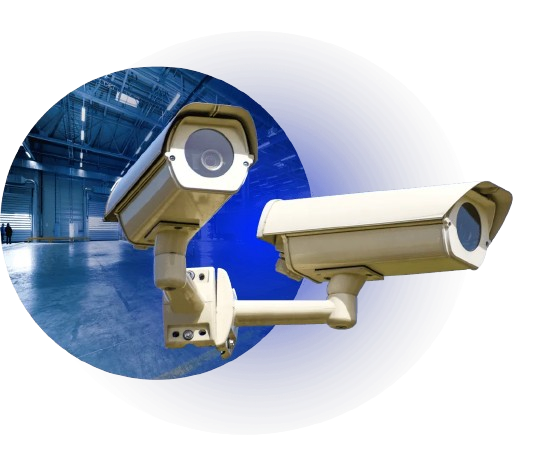
What Is Surveillance & Video Monitoring?

Surveillance and video monitoring are security processes that use cameras, software, and monitoring
specialists to observe, record, and analyze activities in real time. Modern deployments bridge the gap
between physical hardware and cloud intelligence to form a completely unified security layer.

Security

Why Businesses Need Professional Video Monitoring Services

Organizations operate in environments where security threats can occur at any time. Traditional security methods often identify problems after damage has already happened. Professional video monitoring changes this approach by introducing proactive observation and rapid response.

Businesses use surveillance monitoring to:

  • Reduce unauthorized access
  • Prevent theft and vandalism
  • Monitor employee and visitor activity
  • Improve workplace safety
  • Protect valuable equipment and inventory
  • Support compliance requirements
  • Maintain operational visibility across multiple locations

In our experience analyzing security environments, the strongest surveillance systems are not defined only by camera quality. Their effectiveness depends on the connection between hardware placement, intelligent monitoring, trained operators, and response procedures.

How Does Video Monitoring Work?

Video monitoring works by capturing camera footage, analyzing activity patterns, detecting risks, and delivering verified alerts to responsible teams.

1. Video Capture and Data Collection
Security cameras installed across strategic locations continuously collect visual information. Camera selection depends on the environment, including:
  • Indoor or outdoor conditions
  • Lighting requirements
  • Coverage area
  • Resolution needs
  • Environmental risks
Common surveillance devices include:
  • IP cameras
  • PTZ (Pan-Tilt-Zoom) cameras
  • Dome cameras
  • Bullet cameras
  • Thermal cameras
  • AI-enabled smart cameras
2. Intelligent Video Analysis
Modern surveillance systems use advanced analytics to transform raw footage into actionable intelligence. AI-powered monitoring can identify:
  • Unusual movement patterns
  • Unauthorized entry
  • Loitering behavior
  • Vehicle activity
  • Suspicious objects
  • Restricted area access
This reduces the dependence on continuous manual observation and allows security teams to focus on verified events.
3. Real-Time Monitoring and Response
Remote monitoring centers analyze live feeds and respond according to predefined security protocols.

A professional monitoring workflow includes:
  1. Detect activity
  2. Verify event accuracy
  3. Contact responsible personnel
  4. Dispatch emergency response if required
  5. Document incident details
This creates a proactive security model instead of a passive recording system.
Video Monitoring

Surveillance & Video Monitoring vs Traditional CCTV Systems

Traditional CCTV systems primarily focus on recording footage, whereas modern video monitoring combines recording, analytics, remote access, and active response.

Feature Traditional CCTV Modern Video Monitoring
Primary Function Record footage Detect and respond
Monitoring Passive Active 24/7 observation
Intelligence Limited Live Observation
Access Local viewing Remote cloud access
Alerts Manual review Real Time Alerts
Response After incident Real-time intervention
Scalability Limited Multi-location management
The evolution from CCTV recording to intelligent surveillance represents a shift from incident investigation toward incident prevention.

Key Features of Advanced Surveillance Solutions

Real-Time Live Observation

Continuous real-time video observation provides immediate visibility into site activities, enabling human operators to respond to potential incidents as they happen.Important.

Capabilities include:

  • 24/7 active feed monitoring
  • Immediate threat assessment
  • People counting
  • Manual pan-tilt-zoom (PTZ) control
  • Perimeter intrusion verification
  • Live audio talk-down deterrence
  • Real-time event escalation

Live observation eliminates detection lag by enabling immediate human judgment and instant intervention during critical events.

Cloud-Based Video Surveillance

Cloud surveillance allows organizations to manage security systems from anywhere through secure online platforms.

Benefits include:

  • Remote camera access
  • Centralized management
  • Automatic updates
  • Flexible storage options
  • Multi-site monitoring

Cloud-based systems are especially valuable for global organizations managing offices, warehouses, and facilities across different locations.

Remote Security Monitoring Centers

A professional monitoring center acts as the operational intelligence layer of a surveillance system.

Security specialists:

  • Observe live camera feeds
  • Investigate alerts
  • Communicate with site contacts
  • Escalate emergencies
  • Maintain incident records

Human expertise combined with automation creates a stronger security response than either technology or manual monitoring alone.

What Industries Benefit from Video Monitoring Services?

Commercial Businesses

Retail stores, corporate offices, and commercial facilities use surveillance monitoring to protect employees, customers, inventory, and infrastructure.

  • Customer safety monitoring
  • Employee protection
  • Theft prevention
  • Facility management

Healthcare Facilities

Hospitals and healthcare centers require reliable monitoring because they operate sensitive environments with vulnerable populations.

  • Patient safety
  • Restricted area protection
  • Emergency awareness
  • Staff security

Industrial & Manufacturing

Industrial environments use surveillance technology to monitor:

  • Production areas
  • Equipment protection
  • Safety compliance
  • Restricted zones

Video analytics can identify unsafe conditions and improve workplace safety procedures.

Residential Communities

Residential surveillance improves neighborhood security through:

  • Entrance monitoring
  • Parking surveillance
  • Visitor verification
  • Emergency detection

How Live Observation Is Shaping Modern Security

Real-time human surveillance transforms standard recording into proactive incident prevention. Trained operators actively watch live feeds, ensuring immediate situational awareness and swift local response.

Key live observation capabilities include:

Proactive Threat Verification
Real-Time Incident Response
Active On-Site Audio Intervention
Integrated Alarm Supervision
Multi-Site Live Management
The modern security model combines:
Live Observation + Human Expertise + Cloud Infrastructure + Real-Time Response

Benefits of Professional Surveillance & Video Monitoring Services

Proactive Threat Prevention

A monitored surveillance system identifies suspicious activities before they develop into serious incidents.

Reduced Security Costs

Remote monitoring can reduce dependency on physical security presence while maintaining continuous protection.

Improved Operational Control

Businesses gain valuable insights into workplace activity, customer movement, and facility operations.

Evidence Management

High-quality video recordings provide reliable documentation for investigations, insurance claims, and compliance requirements.

Scalable Security Infrastructure

Modern systems can expand from a single location to global operations without replacing existing technology.

Choosing the Right Surveillance Monitoring Provider

Selecting a security partner requires evaluating more than camera installation. Important considerations include:

Evaluation Factor Why It Matters
Technology Expertise Ensures reliable system design
Monitoring Experience Improves threat verification
Response Procedures Determines incident handling quality
Cybersecurity Practices Protects video data
Scalability Supports future growth
Support Availability Maintains system reliability
A trusted surveillance provider should understand your environment, security objectives, compliance requirements, and operational challenges.

The Future of Global Security: Intelligent Surveillance Networks

Surveillance and video monitoring have become essential components of modern security infrastructure. Organizations worldwide are moving toward intelligent systems that combine advanced cameras, artificial intelligence, cloud platforms, and professional monitoring expertise.

"The strongest security solutions do not simply record events; they understand environments, identify risks, and enable faster responses."

By implementing a strategically designed surveillance ecosystem, businesses can achieve stronger protection, improved operational awareness, and a safer future.

FAQs

The main purpose of video monitoring is proactive security protection through real-time
observation, analysis, and response.
Unlike basic recording systems, professional monitoring focuses on identifying risks immediately and
supporting faster decisions.

Remote video monitoring provides greater protection because it combines cameras with
active observation and intelligent alerts.
Traditional cameras store information, while monitored systems help organizations react during
critical situations.

Yes, modern surveillance platforms support centralized monitoring across multiple business
locations worldwide.
Cloud technology allows security teams to manage cameras, alerts, and reports from a single
platform.

AI improves surveillance accuracy by automatically analyzing video patterns and identifying
important security events.
Artificial intelligence reduces unnecessary alerts and helps operators focus on genuine threats.

Our Partners

Smoke Shop Security

Tailored video monitoring for high-traffic retail environments with cloud-based intelligence.Tailored video monitoring for high-traffic retail environments with cloud-based intelligence.

IDOF Facility Monitoring

Scalable surveillance infrastructure ensuring 24/7 reliability for complex operations. sector.

team2 removebg preview

Ready to Secure Your Future?

Don’t wait for an incident to happen. Contact us today to discuss a custom surveillance solution tailored to your environment and security objectives.

Get In Touch